
This post is also available in: 🇵🇱 PL | 🇵🇹 PT
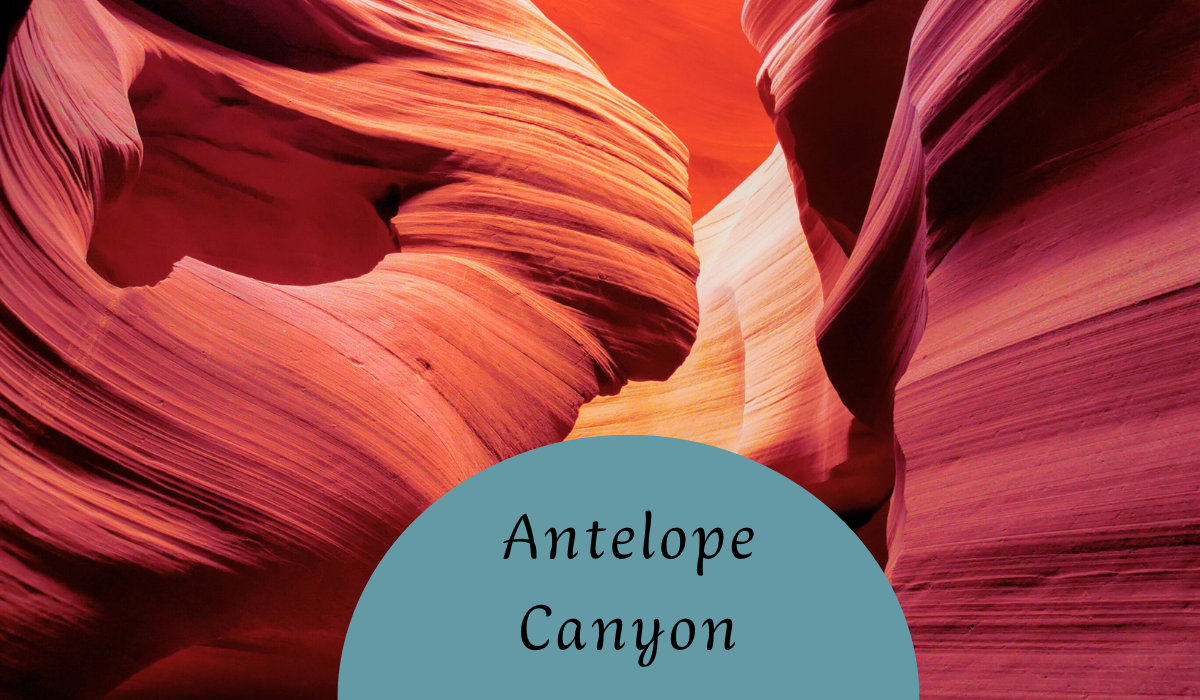
Antelope Canyon is, without doubt, one of the most beautiful and most photogenic places in the United States. Walking through its colourful, beautifully sculpted sandstone walls feels like stepping into another world — one that seems almost unreal at times. It’s undoubtedly one of the true gems of the American Southwest, a region known for its desert landscapes, blazing sun, cacti and, of course… spectacular canyons!
The beauty of Antelope Canyon draws in huge crowds, and visitor numbers have surged in recent years — reportedly reaching as many as four million per year!
One of the main reasons behind the canyon’s immense popularity is the almost mythical light beams that illuminate the orange-gold interior of Upper Antelope Canyon in the most spectacular way, attracting thousands of visitors and photographers.
In this post — our Antelope Canyon guide — you’ll find everything you need to plan an unforgettable visit to this extraordinary place!
Antelope Canyon at a Glance
📍 Location: Page, Arizona
🗺️ How to get there: Easiest by car or as part of an organised tour
💰 Entrance fees: approx. USD 55 for Lower Antelope Canyon; approx. USD 85 for Upper Antelope Canyon. Prices usually exclude tax, service fees and the Navajo Park entry fee (USD 8)
🚗 Parking: Upper Antelope Canyon – depends on the tour operator; Lower Antelope Canyon – available at the canyon entrance/in front of the operator’s building
⏰ Best time to visit: May–September if you want to see the famous light beams
Antelope Canyon – Erosion, Flash Floods and the Navajo People
How Antelope Canyon Formed & the Reality of Flash Floods
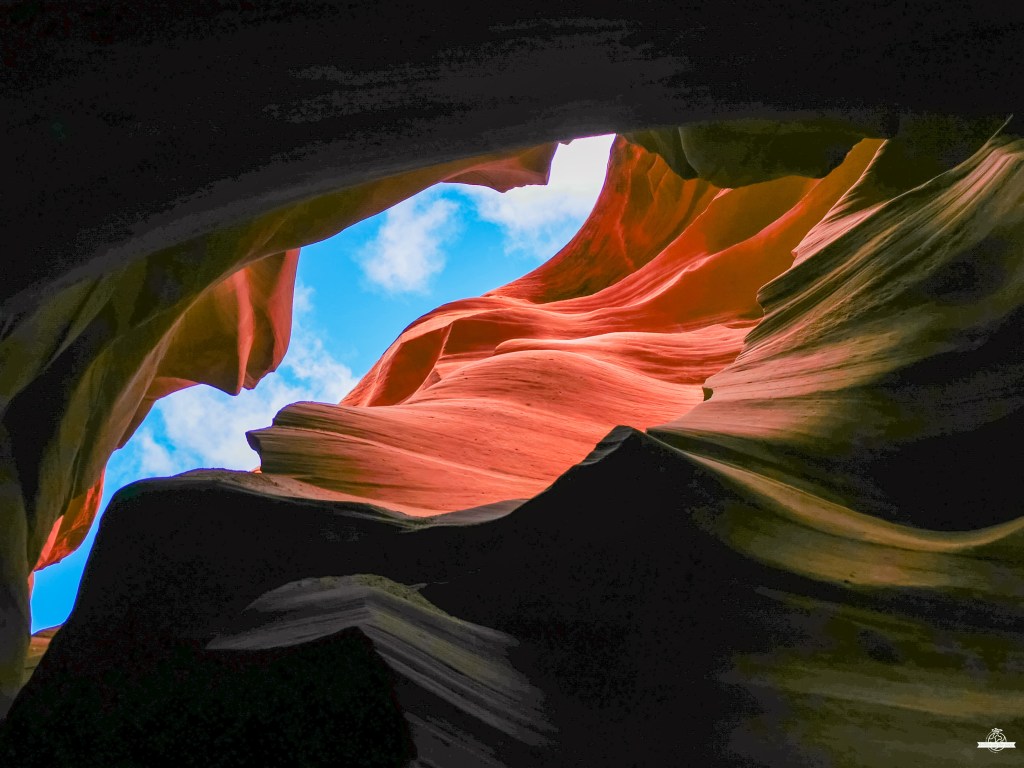
Antelope Canyon is a perfect example of nature’s ability to create something truly extraordinary. Its unique shape was formed over millions of years by wind and, above all, by water flowing through the rock.
At first, it may sound a bit surprising — after all, we’re talking about a desert landscape. So where does all that water come from? The answer is simple: flash floods. Intense and sudden rainfall, which occurs a few times a year, leads to large amounts of water building up above the canyons. Torrents of rainwater then carve into the soft Navajo sandstone, gradually sculpting the spectacular formations we can see today.
🧐 Fun fact: Flash floods in Antelope Canyon are not just part of its history — they still pose a risk today. They are relatively rare, but the risk increases during the monsoon season, which usually lasts from July to September. Tour operators keep a close eye on weather conditions and will evacuate the canyon and cancel tours if there is any chance of flooding.
As you walk through the canyon, you can actually spot traces left by past flash floods. Each one carved a horizontal line into the canyon walls, marking the water level. You’ll also notice rounded markings showing the direction in which the water once flowed.

One of the most tragic flash floods in Antelope Canyon took place on 12 August 1997. On that day, a sudden storm — located 24 km away — turned Lower Antelope Canyon into a deadly trap. Within minutes, a three-metre wall of water rushed through the canyon, carrying away a group of 11 tourists. Only the guide survived, managing to cling to the canyon’s edge after unsuccessfully trying to save several members of the group. What made the tragedy even more shocking was that not a single drop of rain fell inside the canyon itself at the time.
The disaster in Antelope Canyon was a wake-up call for canyon enthusiasts across Arizona. It showed just how dangerous slot canyons can be, even in the middle of the desert, and how quickly conditions can change — you can literally drown in the desert if proper safety measures aren’t taken. After the flood, safety procedures were significantly improved.
One of the new measures included securing ladders and stairways to the canyon walls so they remain stable during floods and help visitors reach the exit. This is also one of the reasons why entering the canyon without a guide is strictly prohibited. Visitors must always be accompanied by a local guide who knows the terrain — and the dangers that come with it.
📢 Important: Did you know that just 15 cm of fast-moving water can knock a person off their feet? 🤯 And only a bit more is enough to carry away a car! Never underestimate even the slightest risk of flooding, even if the weather seems calm, and always be cautious when exploring canyons.
Antelope Canyon and the Navajo People
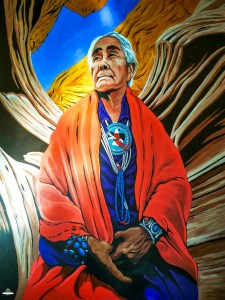
Antelope Canyon is not only a geological wonder, but also a sacred place for the Navajo Nation, who live in this part of Arizona. For them, it is a place where people can connect with nature and the spiritual world.
All tourist infrastructure related to Antelope Canyon is managed by the Navajo people themselves, which makes a visit here more than just a sightseeing experience. It is also a chance to learn something about Navajo culture and its connection to the land. Our guide, Carmelita, was more than happy to share stories about local traditions and everyday life.

🧐 Fun fact: The name Antelope Canyon comes from Navajo stories about pronghorn antelopes that once grazed near the canyon during winter. Sadly, they no longer live in this area.
Where Is Antelope Canyon Located?
Antelope Canyon is a slot canyon located within the Navajo Nation Reservation. It’s located in Arizona, about a 10-minute drive east of the town of Page.
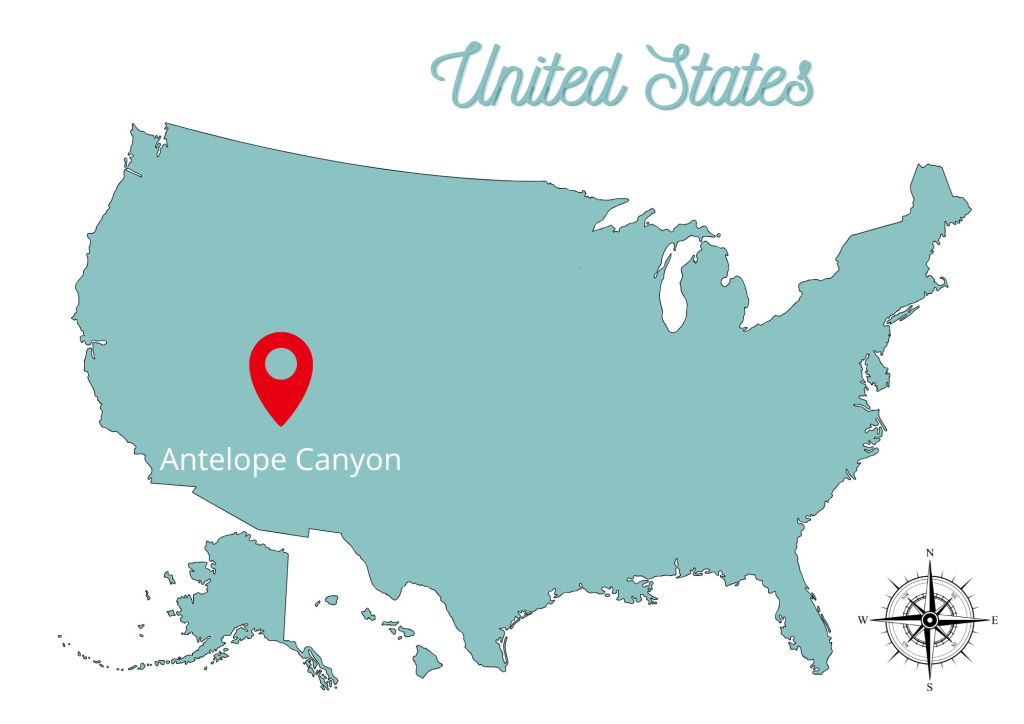
The canyon is roughly 4.5 hours by car from Phoenix, the capital of Arizona, and the same driving distance from Las Vegas. If you’re travelling from California — as we were — be prepared for a bit more demanding journey — from Los Angeles it takes around nine hours!
📢 Important: Because of Antelope Canyon’s location, time zones can sometimes be confusing. The canyon lies close to the Utah border, so your phone may pick up a signal from the neighbouring state and switch to the wrong time!
During the summer months, Page follows Pacific Time, while in winter it switches to Mountain Time. The clock changes take place on the second Sunday of March and the first Sunday of November.
How to Get to Antelope Canyon
Antelope Canyon is divided into two sections: the Upper Antelope Canyon and the Lower Antelope Canyon.
The entrances to both are located close to each other, but the way you reach them is slightly different.
You cannot reach the more popular Upper Antelope Canyon in your own vehicle. Depending on the tour you book, your meeting point will either be at the tour operator’s office or near the canyon. From there, visitors are taken to the entrance in a 4×4 vehicle.
Lower Antelope Canyon is easier to access. The entrance is located very close to the offices of the companies operating the tours there, so you can simply park there and walk to the canyon with your guide.
By Car
As with most tourist destinations in the United States, the easiest way to get to Antelope Canyon is by car. Depending on which section of the canyon you plan to visit, you will either drive directly to the entrance or to the designated meeting point from where you’ll be taken to the start of the tour.
Organised Tours
- From Page
Although both Upper and Lower Antelope Canyon are located just a short drive from Page, some travellers still choose to book an organised tour — for example, one that combines Antelope Canyon with Horseshoe Bend.
That said, considering you will almost certainly arrive in the area in your own vehicle, this is usually not the most budget-friendly option. Still, if that kind of trip appeals to you, you can easily find tours on platforms such as Get Your Guide or Viator.
- From Sedona
If you’re using Sedona as a base for exploring Arizona, you’ll also find a number of organised tours to Antelope Canyon on sites like Get Your Guide and Viator.
- From Las Vegas
Antelope Canyon is also a very popular day-trip destination from the world’s gambling capital — Las Vegas. These tours usually include a stop at Horseshoe Bend and often provide lunch.
Keep in mind, though, that this is a very long day. Most tours take at least 13 hours in total, and around nine of those are spent on the road. This naturally makes this option more expensive, but if you’re staying in Las Vegas and dream of seeing the canyon, it might still be worth considering.
You can find example of these tours on Get Your Guide and Viator.
Antelope Canyon – Which Section Should You Choose?
As you already know, Antelope Canyon is divided into two sections: the Upper and Lower Canyon. Choosing which one to visit is crucial when planning your trip — it will determine the length of your visit, the cost, and even the point where your adventure in one of nature’s most beautiful wonders begins.
If you have enough time and are not particularly restricted by budget, you can of course see both sections! In that case, however, you will need to book tickets for each separately, as Upper and Lower Antelope Canyon are managed by different operators.
Most visitors, however, choose to explore just one section. The choice isn’t easy, but we’ll try to give you a little guidance.
Upper Antelope Canyon
Upper Antelope Canyon is by far the more popular section and is most often chosen for a first visit.
In the Navajo language, it is called Tsé bighánílíní, meaning “the place where water runs through the rocks.” Tourists often refer to Upper Antelope Canyon as “The Crack” because of the very narrow opening at the top.
The canyon’s shape, resembling the letter “A” — with a relatively wide base and a narrow top — makes the interior quite dark. However, it is spectacularly lit by light beams, a remarkable play of light and shadow that is the main reason this section enjoys such popularity. Some of the most iconic photos of Antelope Canyon that you’ll see online were taken here.
However, the light beams that give the canyon walls their incredible colours are not guaranteed. The best chances to see them are from May to September, between 11:00 a.m. and 1:30 p.m., and clear skies are essential. Keep in mind that early in the morning and late in the afternoon, the canyon is very dark, which makes photography challenging!
In the past, there was a special Photography Tour focused on capturing the canyon’s light and beauty, but this has not been available since 2019.
Guided tours start near Page, from where tourists are driven to the canyon entrance in 4×4 vehicles.
The trail inside Upper Antelope Canyon is only 200 metres long. Most of it is relatively flat, with a short climb at the end, where you will need to use some stairs to exit the canyon. From there, the return route continues on the surface.
If you choose Upper Antelope Canyon, you can book your visit with one of five tour operators:
- Adventurous Antelope Canyon Tours
- Antelope Canyon Navajo Tours
- Antelope Canyon Tours, Inc.
- Antelope Slot Canyon Tours
- Tsebighanilini Tours
Current prices can be checked directly on the operators’ websites. They may vary depending on the season, the day of the week, or even the hour. Tours around midday are usually the most expensive.
The average entry fee for Upper Antelope Canyon is USD 85, plus VAT (6%), any service fees, and the Navajo Park entry fee (USD 8), which are usually not included. During peak season, the price for a midday tour can rise up to USD 120! It’s worth comparing several operators, as prices can differ.
Tickets for Upper Antelope Canyon sell out very quickly and can be fully booked weeks in advance, so it’s best to reserve them as soon as you start planning your trip.
Lower Antelope Canyon
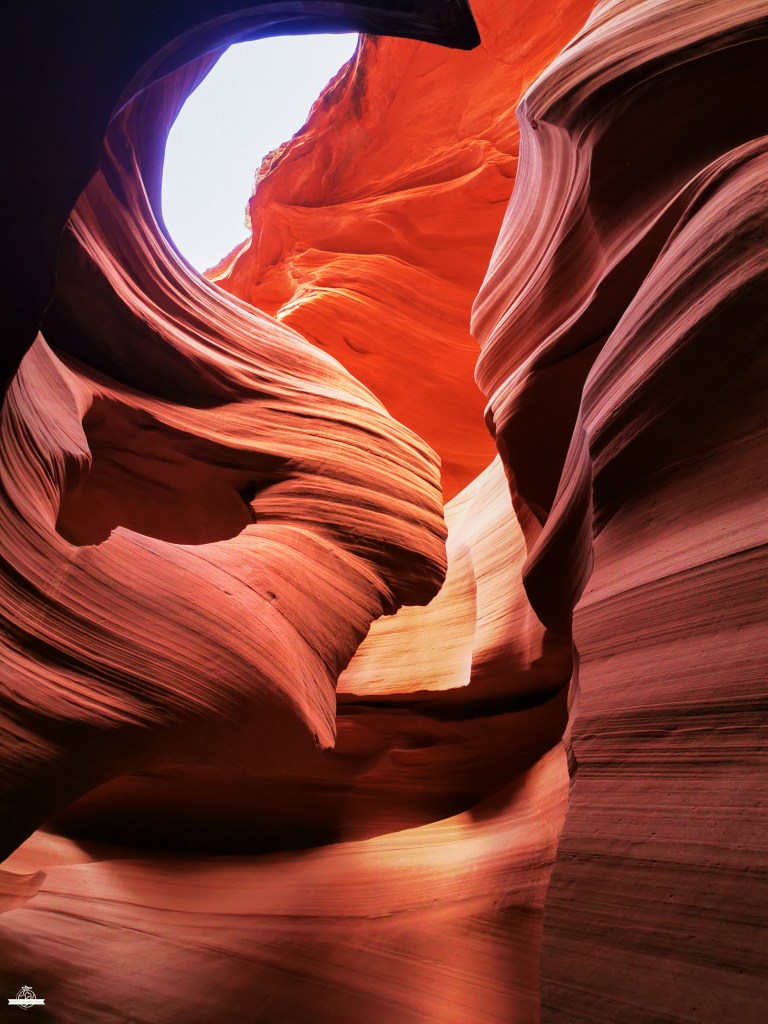
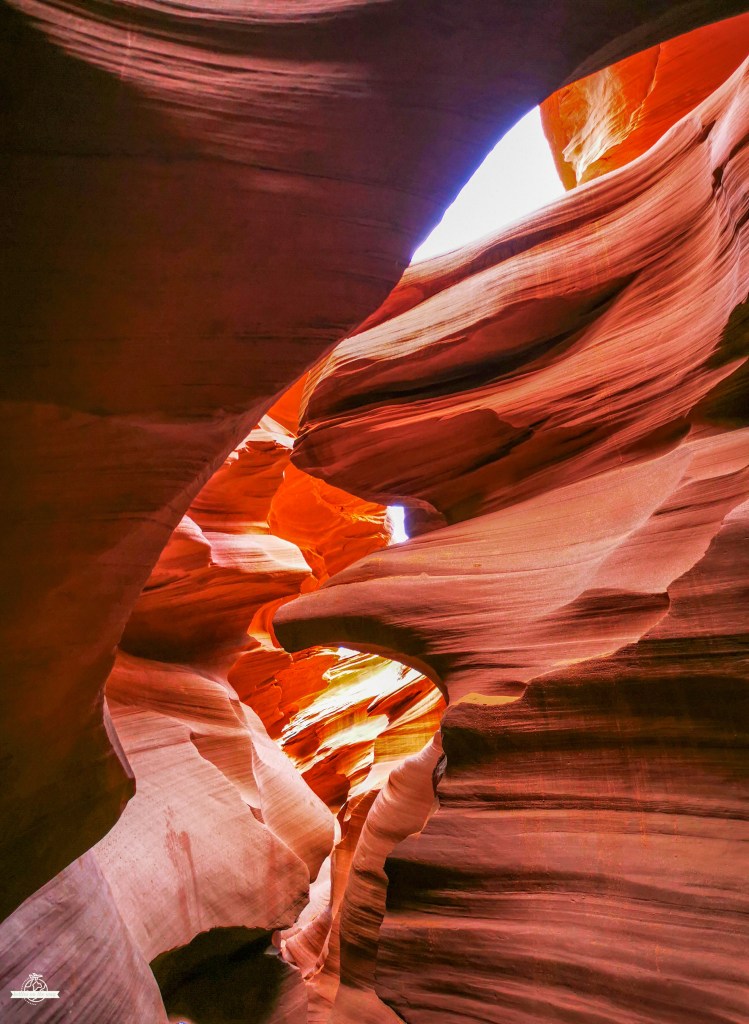
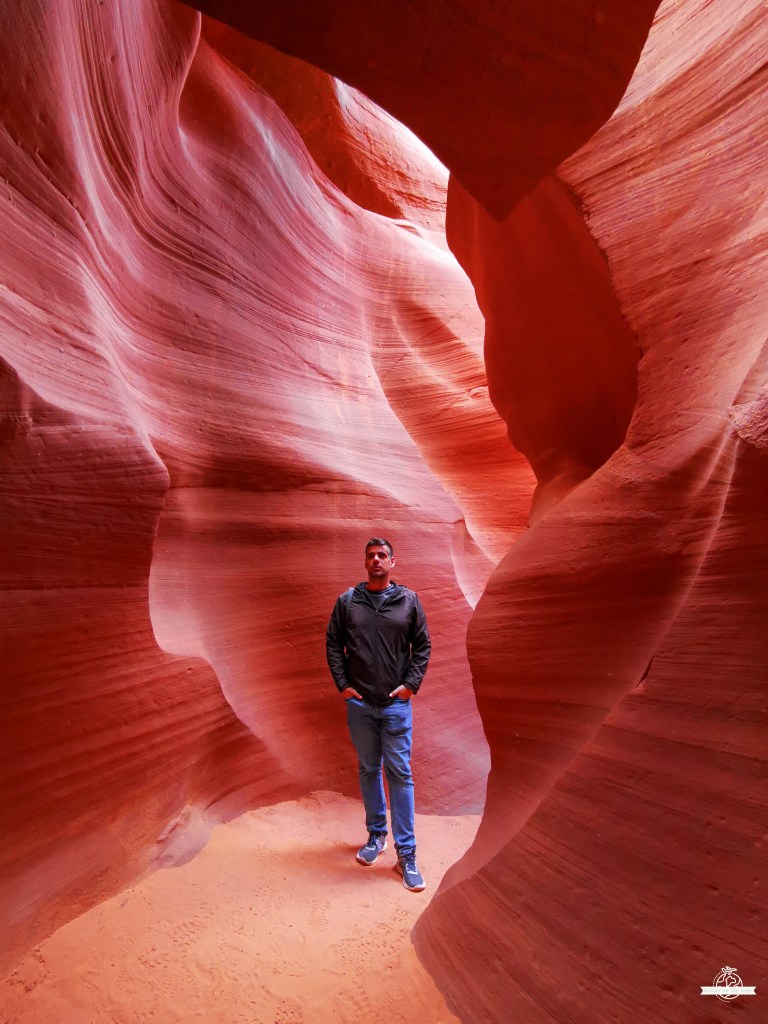
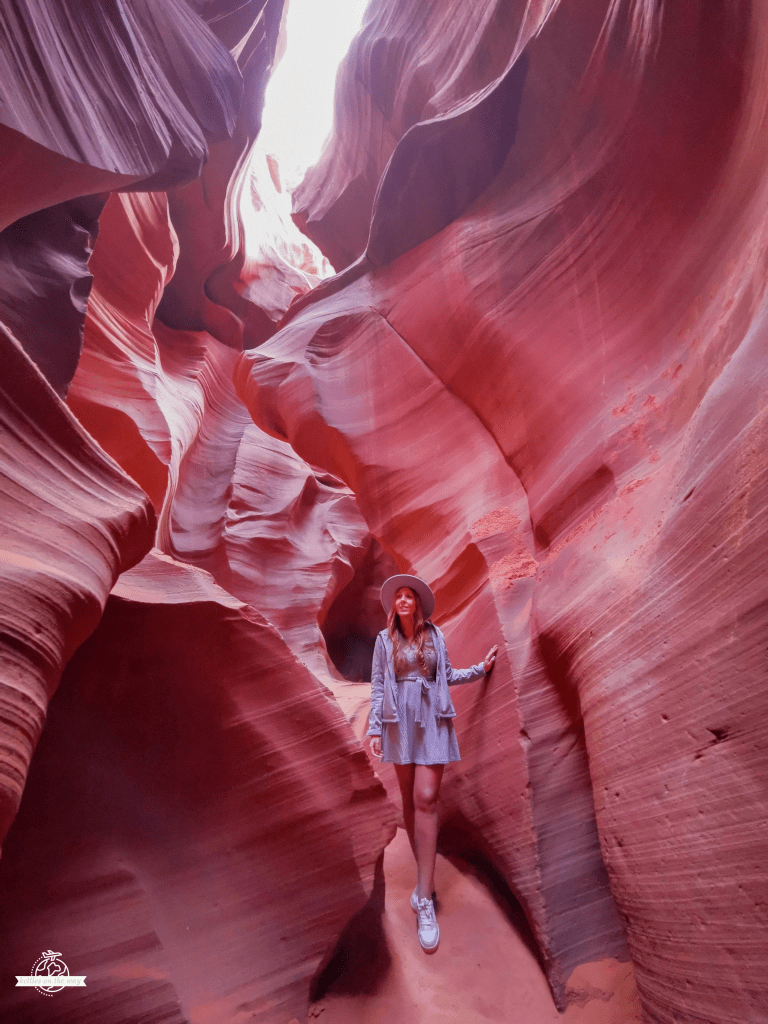
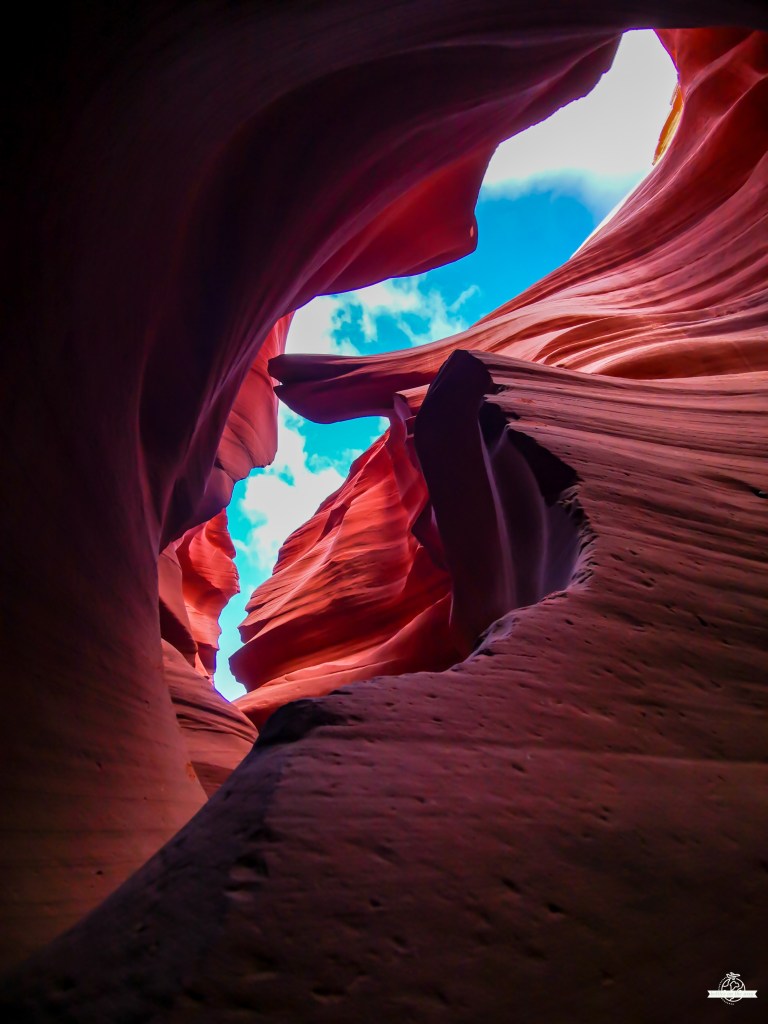
Lower Antelope Canyon is slightly less popular. You won’t find the famous light beams that appear in the darkness of the Upper Canyon, but this is more than made up for by the stunning colours of the rocks, which are more visible thanks to better natural lighting.
Lower Antelope Canyon is called Hazdistazí by the Navajo — “spiral stone arches.” It is longer and narrower than its upper section.
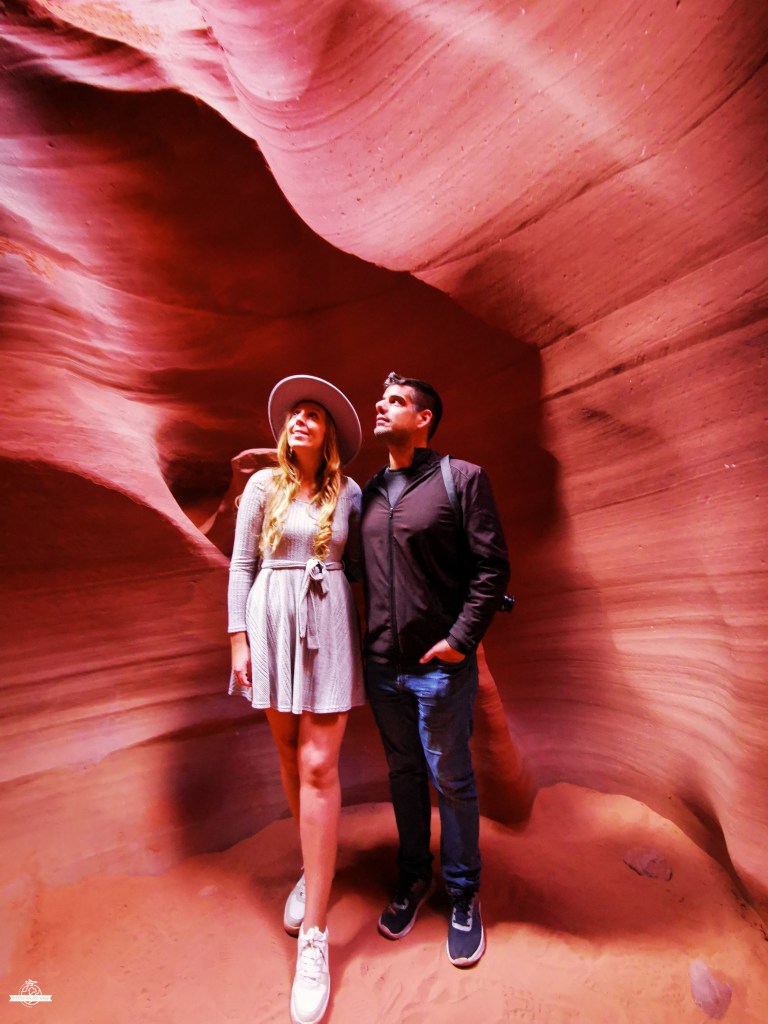
A tour through Lower Antelope Canyon lasts about an hour, and navigating the 400-metre long canyon is an adventure in itself. The canyon floor is fairly narrow, with walls that widen towards the top, forming a “V” shape. You’ll need to squeeze through some sections, which can be a bit challenging for those prone to claustrophobia (though it’s never so tight that passage is actually a problem!). For most visitors, this adds to the excitement.
In addition, you’ll encounter several sets of ladders along the way, making it easier to move from the deepest to the shallower parts of the canyon.
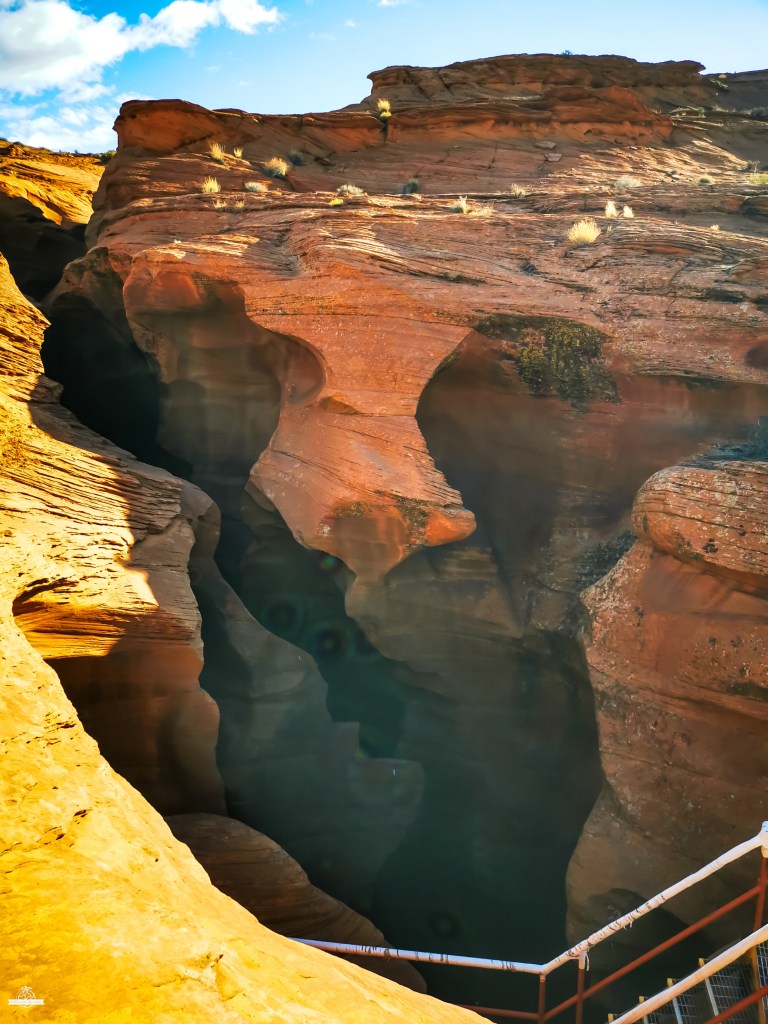
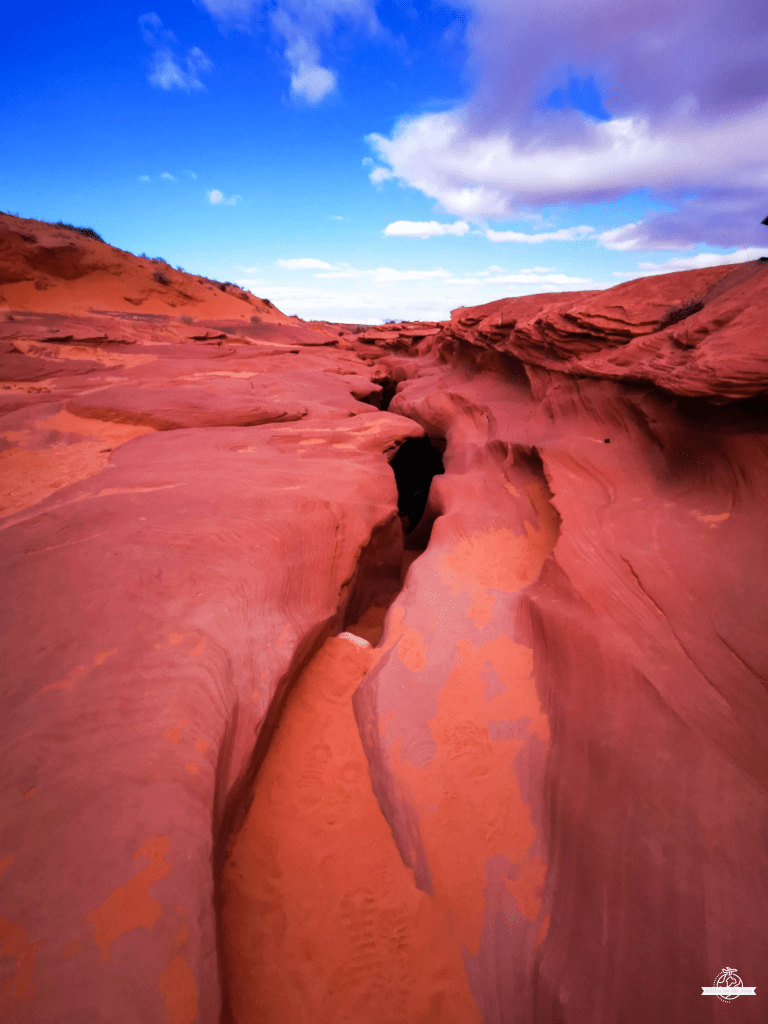
While walking along the canyon floor, your guide will share fascinating facts about its formation, the flash floods, and the Navajo people.
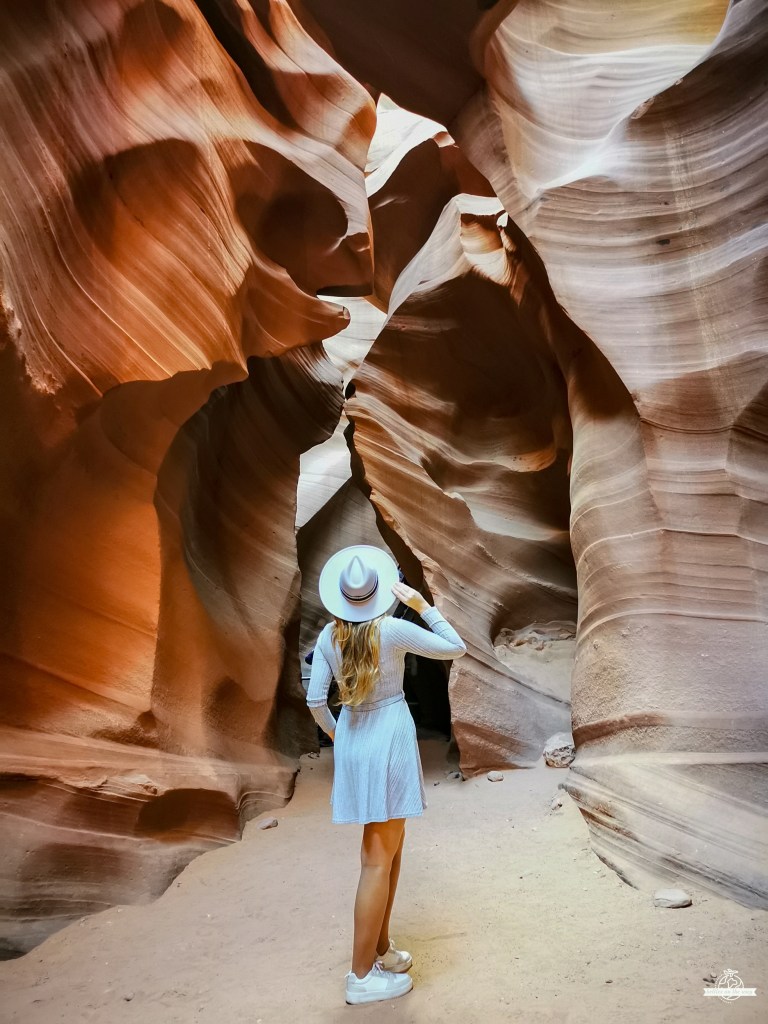
One of the biggest advantages of visiting Lower Antelope Canyon is the small group size, usually no more than 15 people. Guides ensure that everyone can hear the explanations and see the rock formations being described. They also give photography tips and take individual photos of each group at the most iconic spots. Moving through the winding canyon provided us with several opportunities to capture shots without other tourists in the frame, which was particularly important for us.
Tours of Lower Antelope Canyon are operated by just two companies, run by siblings Dixie and Kenneth: Dixie Tours and Ken’s Tours. Both have their offices right at the canyon entrance.
Choosing Between Upper and Lower Antelope Canyon

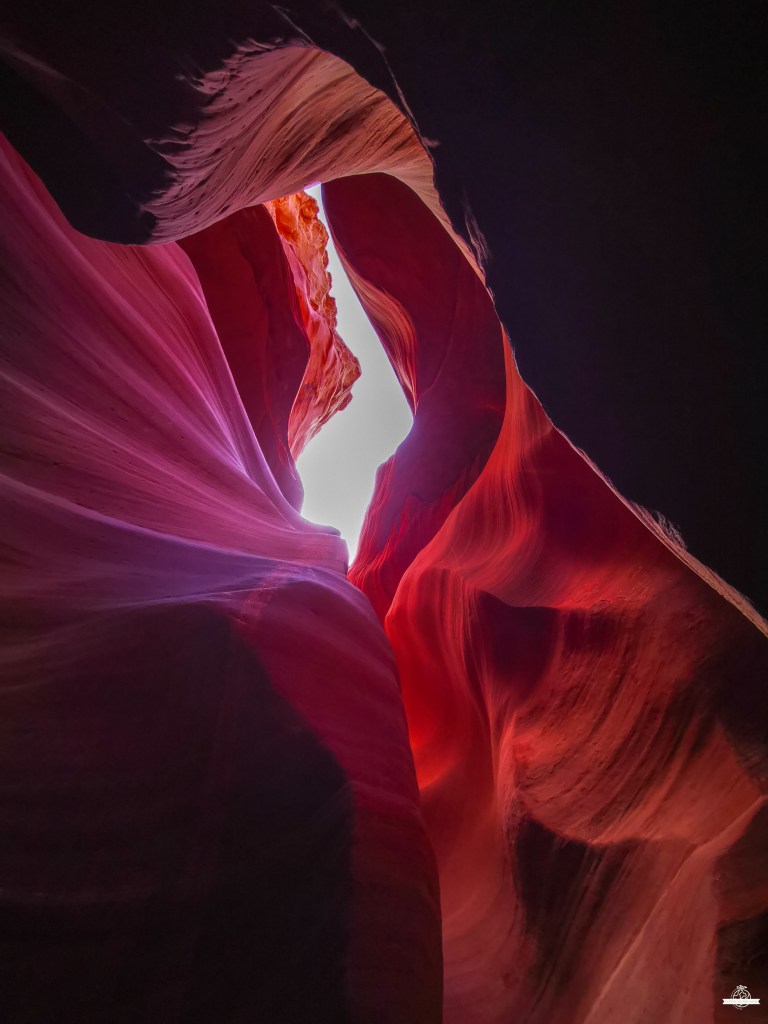
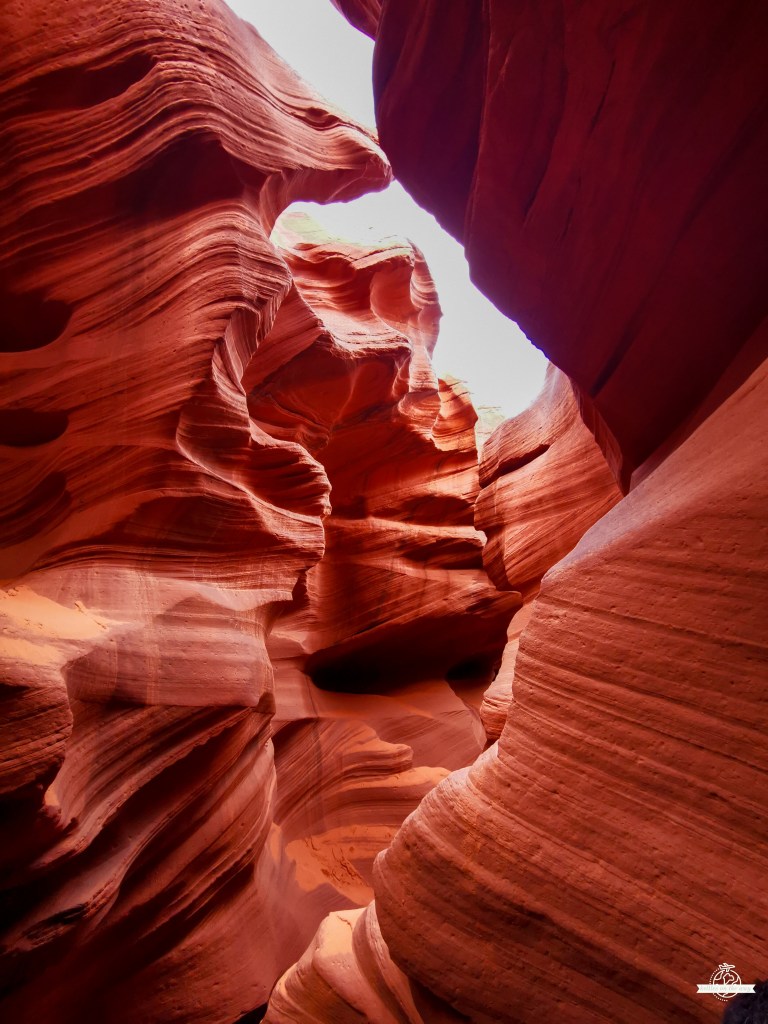
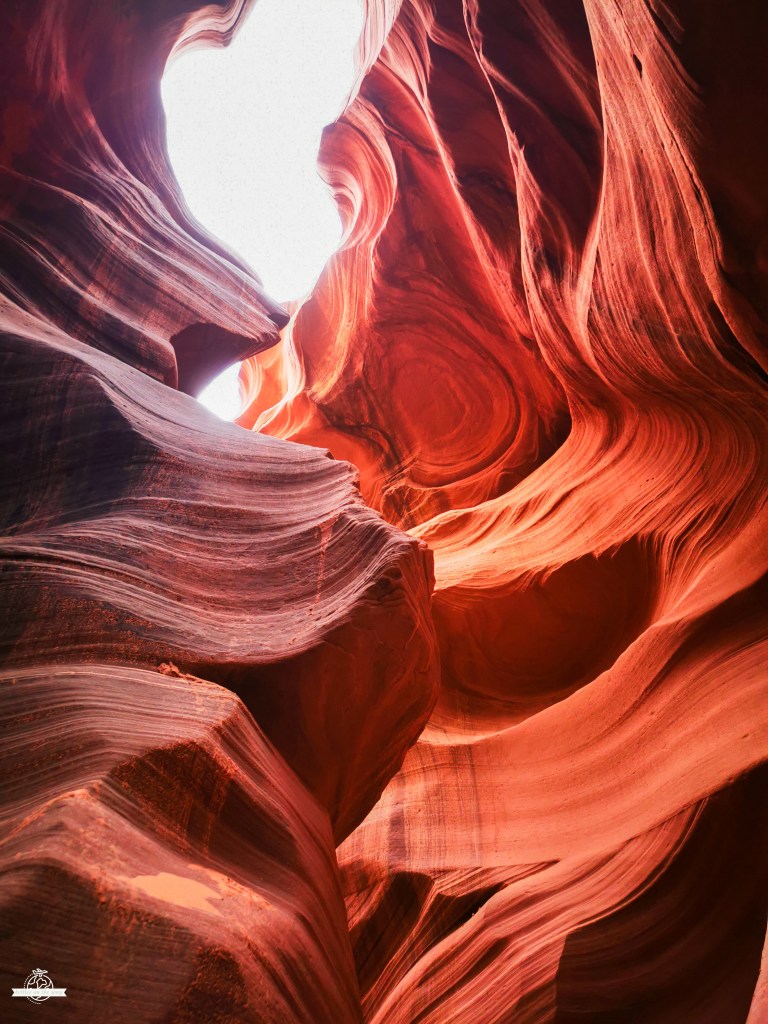
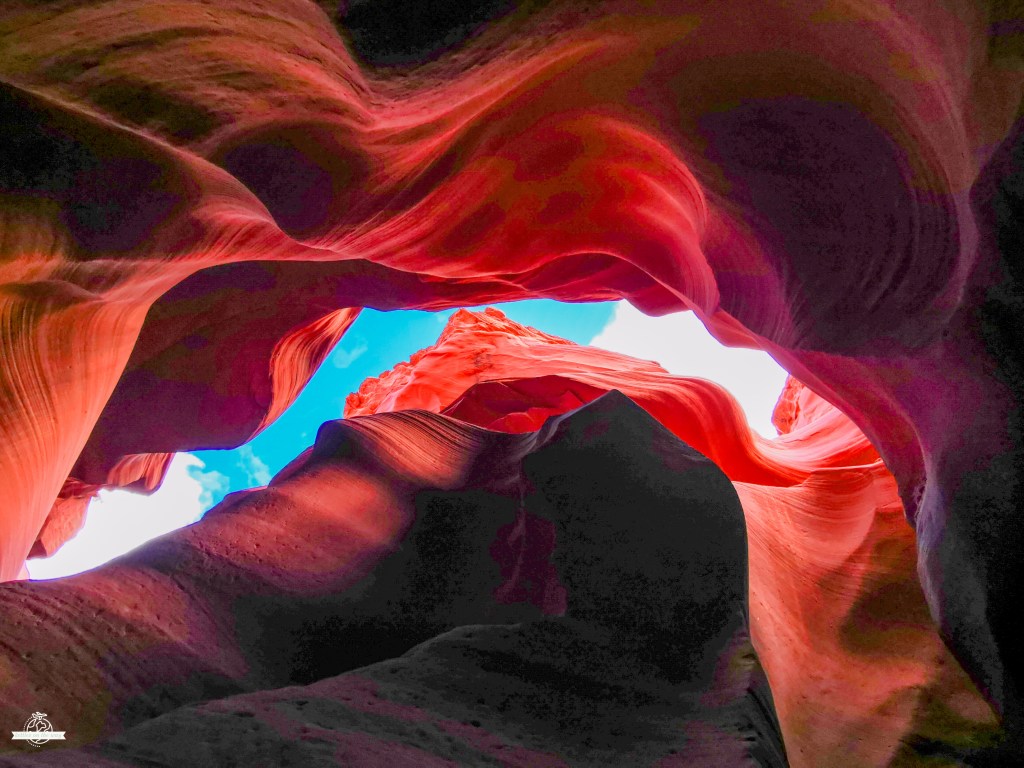
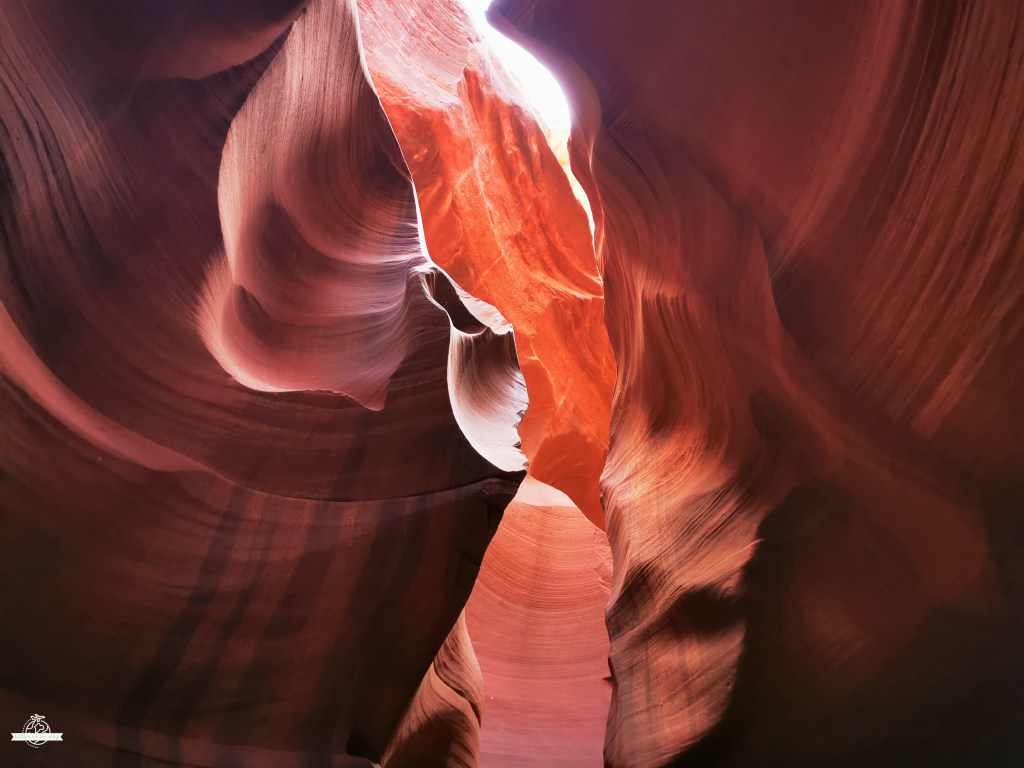
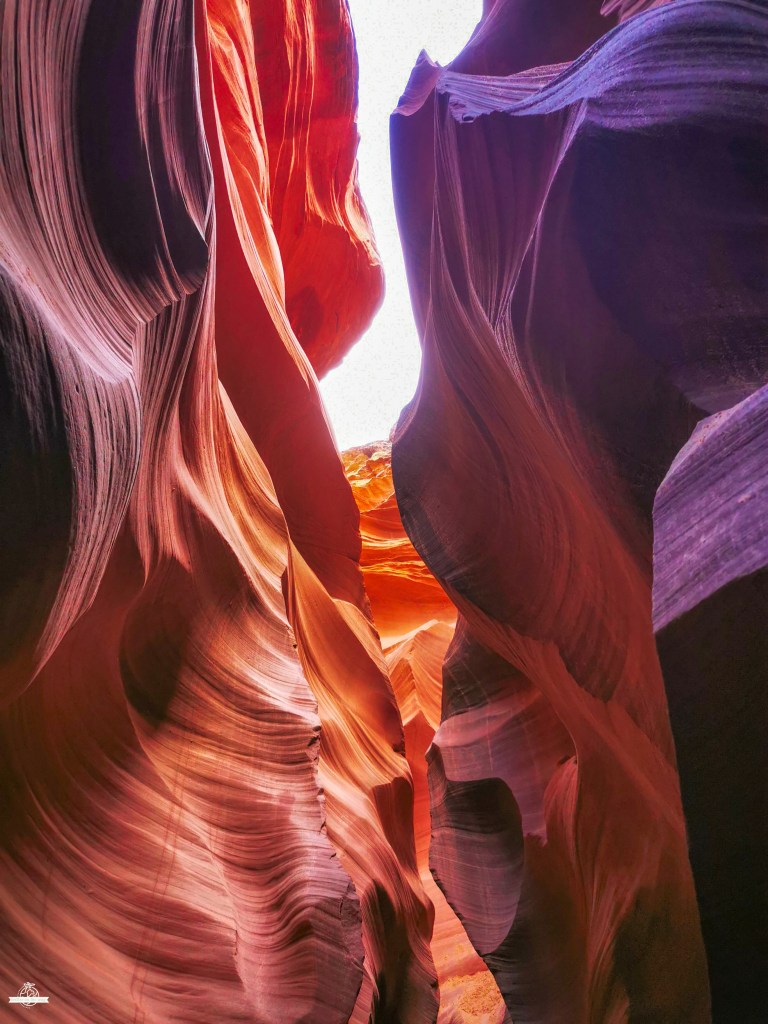
PS: All the photos in this post were taken during our visit to Lower Antelope Canyon. 😊
💡Tip: If you plan to visit both sections of Antelope Canyon on the same day, bring your receipt from the first tour and ask for a refund of the Navajo Nation Permit Fee.
Apart from the most popular sections, there are also several other, less crowded slot canyons in the area:
- Canyon X
- Secret Canyon
- Cardiac Canyon
- Mountain Sheep Canyon
- Rattlesnake and Owl Canyons
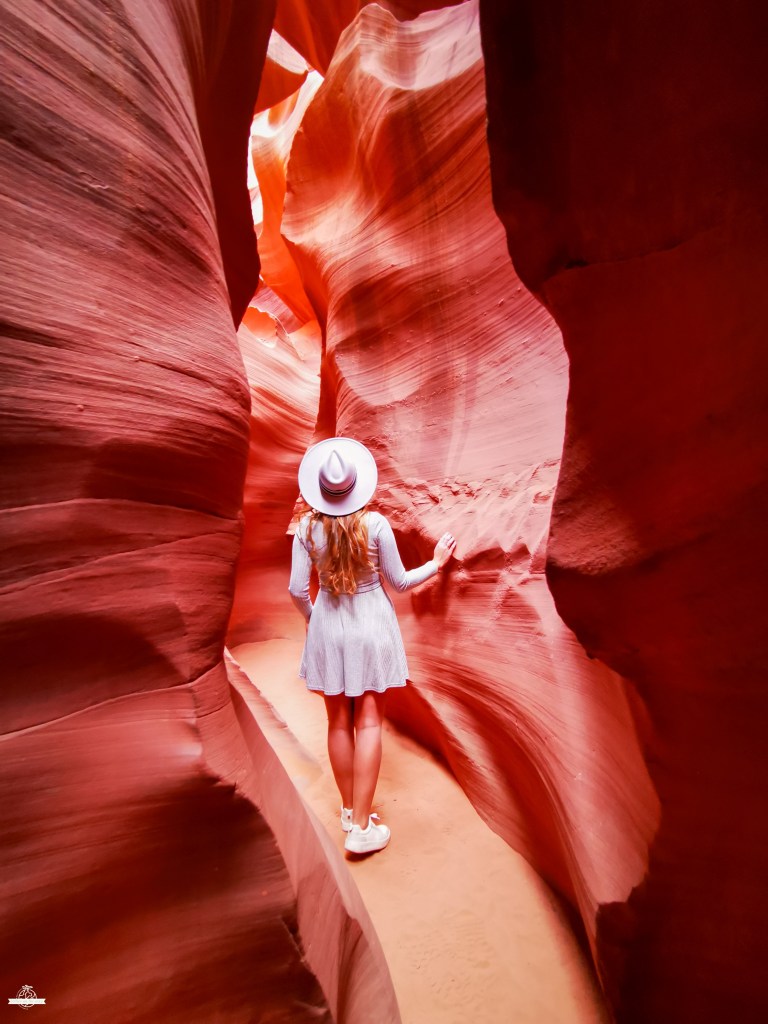
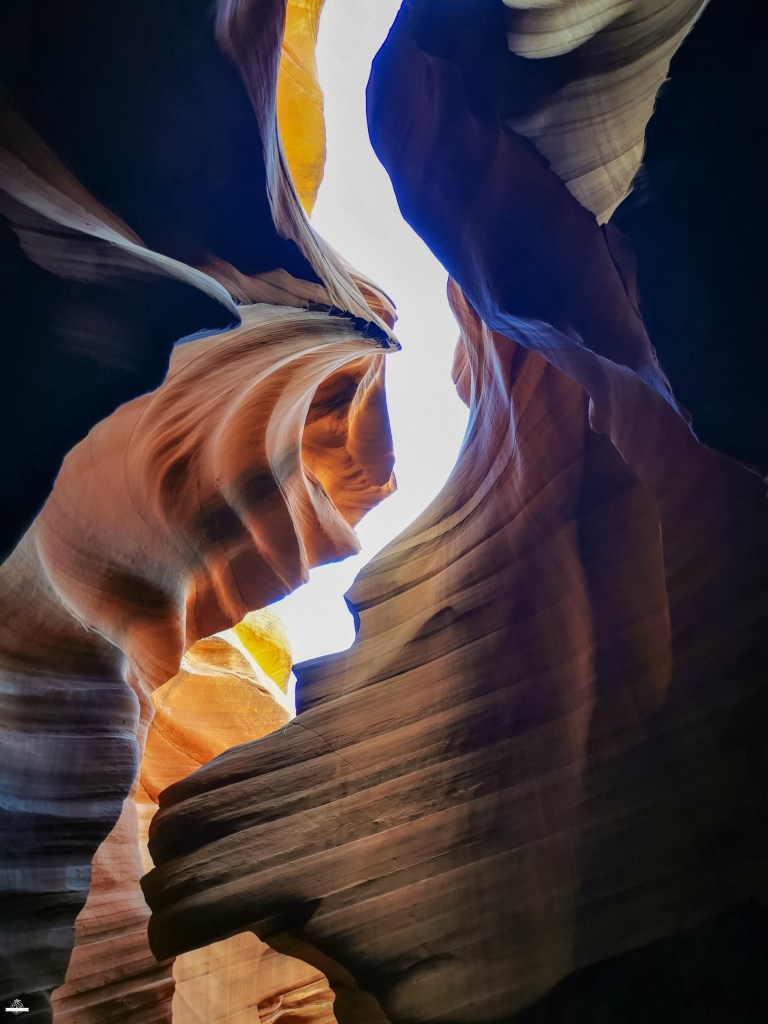
🧭From our experience: Choosing just one section of the canyon was incredibly difficult, but the high cost made it easy to rule out seeing both. Initially, we leaned towards Upper Canyon, but the lack of light beams in November, the darker interior (which isn’t ideal for photography), the higher price, and the shorter trail all helped us make the decision. In the end, we went with Lower Antelope Canyon. We bought our tickets on-site, as plenty were still available the day before. While we can’t compare it to the Upper Canyon, the narrow passages, magical colours, and adventurous elements such as the ladders completely won us over!
How Much Does a Ticket to Antelope Canyon Cost?
The price of a tour depends on several factors: whether you choose the Upper or Lower Canyon, the tour operator, the season, and even the hour.
Tickets for Upper Antelope Canyon vary widely. They usually cost around USD 85 per person, but during peak season, at the hours when the light beams appear, prices can rise to USD 120 per person. It’s worth checking several operators before making your final decision.
Entry to Lower Antelope Canyon is cheaper, starting at USD 55 per person (plus 6% VAT, service fees, and the Navajo Nation Permit Fee of USD 8). The price is the same with both operators — Dixie’s Tours and Ken’s Tours.
Opening Hours of Antelope Canyon
The opening hours for Upper and Lower Antelope Canyon vary depending on the season and weather conditions. Both sections are open daily.
Upper Antelope Canyon is usually open from 8:00 a.m. to 4:00 p.m. During the winter season, however, the last groups start earlier, around 2:00–2:30 p.m., depending on the operator.
Lower Antelope Canyon operates from 7:00 a.m. to 5:00 p.m. in the summer. In winter, the first tours start around 9:00 a.m., and the last group departs at 3:00 p.m.
Can You Explore Antelope Canyon on Your Own?
If, like us, you were hoping to visit Antelope Canyon independently, unfortunately, we have to disappoint you.
Access to the canyon is limited to guided tours for several reasons:
- Location within the Navajo Reservation
The canyon lies within the Navajo Nation Reservation, and access is regulated by the Navajo Nation Parks and Recreation Department. According to regulations, all tours must be led by an authorised guide, whose role is to educate visitors about the history and significance of the park.
- Visitor Safety
Narrow passages, uneven terrain, and the risk of flash floods create potential hazards. Guides ensure safe passage through the canyon and provide assistance in case of emergencies.
- Protection of the Canyon
Guided tours help control the number of visitors in the narrow canyon. Limiting excessive tourist traffic is key to preserving this beautiful site from damage.
- Comfort and Smooth Flow of Visitors
Guides manage the flow of people to prevent congestion, making the experience more comfortable and organised.
Best Time to Visit Antelope Canyon
Upper Antelope Canyon
If your goal is to see the famous light beams, plan your visit during peak season (May to September), ideally between 11:00 a.m. and 1:30 p.m.. Even if you visit at the perfect time, there’s no guarantee you’ll catch these stunning light effects, as they only appear on sunny days. Be sure to book tickets well in advance for this time slot!
If light beams aren’t your main priority and you want to avoid crowds, Antelope Canyon is still incredibly beautiful off-season.
Lower Antelope Canyon
The time of year and time of day are not as critical for Lower Canyon as they are for the Upper section. However, here are a few tips:
- The best time to visit Lower Antelope Canyon in summer (April to October) is during the morning (7:30–11:00) and afternoon (2:00–4:00 p.m.) hours, when the light highlights the canyon’s colours best. You can watch the hues shift, sometimes turning purples and deep pinks. Unfortunately, these hours coincide with the largest crowds.
- If you want good lighting and fewer visitors, there’s good news — in winter, when the sun’s position changes, the canyon enjoys ideal lighting conditions throughout the day for sightseeing and photography.
Weather Conditions in Antelope Canyon
Antelope Canyon can be visited year-round, but the weather in this desert area varies significantly with the seasons. Summer is hot, while winter can bring snowfall. Dressing appropriately and planning your visit according to the conditions will help you enjoy this extraordinary place to the fullest.
Summer (May–September)
- Features: This is the hottest period of the year. Temperatures range from 22°C to 36°C, and at peak moments (July and August) can exceed 43°C.
- Risks: In extreme heat, the canyon may be closed for safety reasons.
- Tips: Visit in the morning hours when it’s slightly cooler, unless you’re specifically after the light beams.
Summer essentials:
- Water bottle, hat, and sunscreen — sun protection in the desert is a must!
- Stay hydrated before and after your visit;
- Wear light, breathable clothing — the canyon interior is a bit cooler, but it’s still hot.
Winter (November–February)
- Features: Temperatures are much lower. In November and February, they range from 2°C to 13°C, and in January, the coldest month, the average temperature is -1°C.
- Precipitation: Snow is possible, particularly in December and January.
- Wind: Strong winds can make it feel even colder.
📢 Important: Light snow can give the canyon a magical appearance and create fantastic photo opportunities. However, if there’s a significant snowfall, the canyon will not be open to visitors.
Winter essentials:
- Warm clothing, including a hat/beanie, gloves, and scarf.
- Check the weather forecast before your trip and confirm that the canyon is open.
Antelope Canyon – Tips & Practical Information
What to Know Before Visiting Antelope Canyon
- Book Your Antelope Canyon Tickets in Advance
Antelope Canyon can only be visited on a guided tour, and tickets — especially in peak season — sell out incredibly fast. To avoid disappointment, make sure to book your tour well ahead of time, even several months in advance.
- Wear Proper Footwear
The canyon floor is uneven and sandy, so closed-toe shoes such as sneakers or hiking shoes are the best choice. Sandals or flip-flops are better left for another occasion.
- Bring a Wide-Angle Lens
The canyon’s incredible rock formations practically beg to be photographed — and if you’re anything like us, saying no is simply not an option 🤭 To capture the shapes and colors in all their glory, you’ll need a wider field of view. A camera or smartphone with a wide-angle lens works perfectly.
- Stay Hydrated
Arizona’s desert climate can be intense, especially in summer. Even though the canyon itself is shaded, your body still loses a lot of water during the tour. Drink plenty of water before and after your visit.
- Filming Is Forbidden
This may be disappointing for video lovers — photography is allowed (except for flash), but filming is strictly prohibited inside Antelope Canyon.


📢 Important: Stay aware of your surroundings while visiting. You may encounter wildlife such as snakes, spiders, or scorpions. It’s not very common, but someone in our group actually spotted a scorpion! 🦂
What You Cannot Bring into Antelope Canyon
- Backpacks, purses, and even small waist bags are unfortunately not allowed.
- While the canyon is extremely photogenic, you’re limited to carrying only your phone or camera. Action cameras such as GoPros, as well as tripods and selfie sticks, are on the banned items list.
- Drones are strictly prohibited anywhere within Navajo Tribal Park.
💡Tip: Leave all restricted items in your car before the tour to avoid problems during the check at the entrance.
What to Bring to Antelope Canyon
- A bottle of water — one of the few items you’re allowed to carry. The catch? You’ll have to hold it in your hand, since all bags are banned.
- A camera or smartphone — just remember to avoid using the flash.
- A hat — useful on the short walk to the canyon entrance. It’s not a long stroll, but in the summer desert sun, every bit of shade counts.

💡 Tip: Before entering the canyon, double-check that you have enough storage space and battery in your phone/camera. We left our spare battery in the backpack, so we had to take all our photos with our phones.
What to See Near Antelope Canyon
The area around Antelope Canyon is absolutely packed with amazing natural attractions. If you’re planning to stay in Page a little longer, make sure to add these highlights to your itinerary:
Horseshoe Bend
Horseshoe Bend offers one of the most iconic and most photographed views in the entire American Southwest!
This dramatic curve of the Colorado River, shaped like a horseshoe and framed by towering cliffs, is simply breathtaking — and it’s only a few kilometers from Antelope Canyon. The short and easy trail from the parking lot makes it even more appealing, so you have no excuse to skip this spectacular viewpoint! 😁
Lake Powell
Lake Powell is widely considered the most beautiful man-made lake in the world. This massive reservoir on the Colorado River stretches along the border of Arizona and Utah. It’s an ideal spot for anyone who loves water activities.
Rainbow Bridge National Monument
This is one of the largest natural stone bridges in the world! Getting there requires a bit of effort, but the views are absolutely worth it.
Page Shores Amphitheater
These fascinating rock formations sit right along the road connecting Lower Antelope Canyon with the town of Page. It’s worth stopping by for a short break to admire these geological wonders.
Glen Canyon Dam
Engineering enthusiasts won’t want to miss Glen Canyon Dam. The visitor center offers plenty of information about the history of this impressive structure and its impact on the surrounding area.
The Wave
The famous Wave is one of the most stunning rock formations on the planet! Located about 50 km from Antelope Canyon, it’s known for its surreal, colorful, and wave-like sandstone patterns.
But there’s a catch: access is highly restricted and never guaranteed. To visit The Wave, you must win… a lottery.
The New Wave
A great alternative for anyone who doesn’t win the permit for The Wave. This short trail on the outskirts of Page is especially enjoyable for rock-formation lovers.
💡Tip: The area around Page is an absolute paradise for nature lovers! Set aside a few days to explore — there truly is something for everyone. 😊
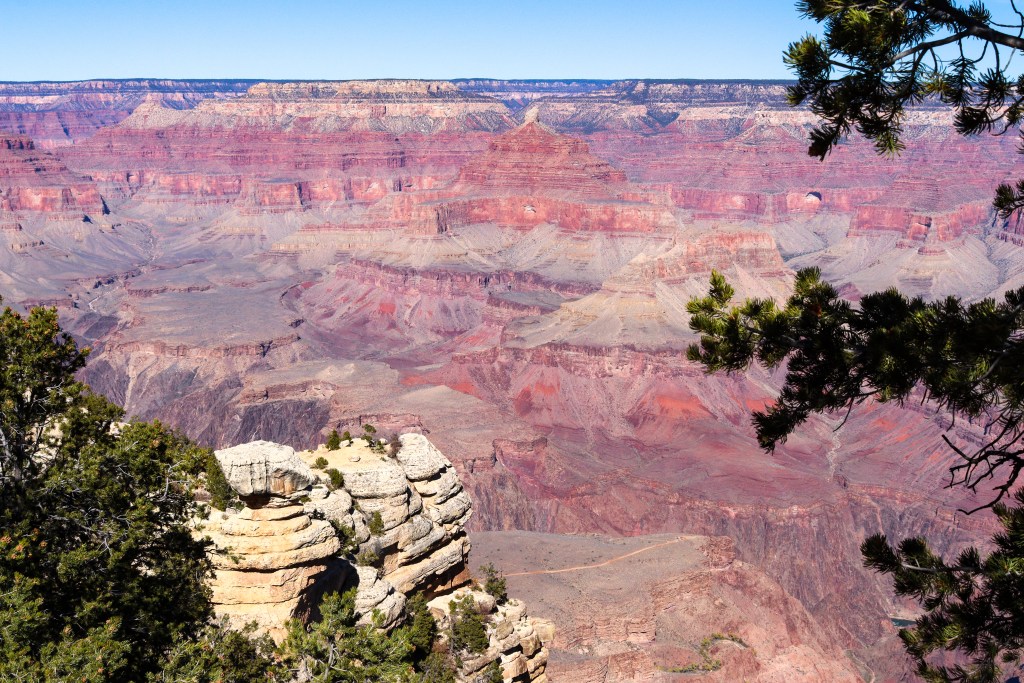
Grand Canyon
The Grand Canyon is one of the most breathtaking places in the world and a true must-see when traveling through Arizona.
Carved by the Colorado River over millions of years, this enormous canyon reaches depths of up to about 1.5 kilometers (nearly 1 mile) and stretches for hundreds of kilometers, revealing rock layers that are billions of years old. Its immense scale, extraordinary rock formations, sheer cliffs, and panoramic viewpoints create some of the most breathtaking scenery in the United States.
Grand Canyon National Park attracts millions of visitors every year, offering both easily accessible viewpoints and trails for more experienced hikers.
Is Antelope Canyon Worth Visiting?
Absolutely — yes!
Antelope Canyon is one of the most beautiful places in the United States and one of the most famous slot canyons in the world. Its unique shapes, striking colors ranging from deep orange to red and even shades of purple, and the spectacular light effects make it truly one of a kind.
It’s hard to find another place quite like this, which is why it has become so popular among photography enthusiasts. All of this makes Antelope Canyon a must-see destination on any Arizona itinerary.
Despite the high price, the short trail, and the high volume of tourists, we have to admit that visiting Antelope Canyon was one of the absolute highlights of our week-long trip around the U.S.
If you have the chance to see it — don’t hesitate!
Happy exploring!

Hungry for more American adventures? Check out our other USA travel guides:
Leave a Reply