

This article is also available in: 🇵🇱 PL | 🇵🇹 PT
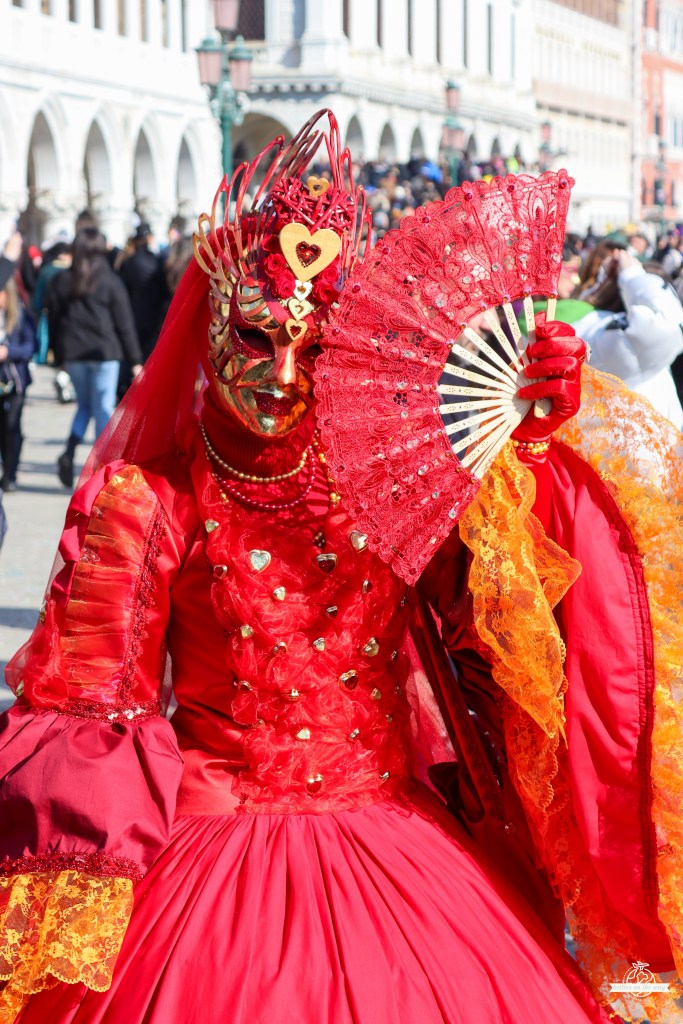
The Venice Carnival, alongside the one in Rio de Janeiro, is one of the most famous carnivals in the world — and, in our opinion, also the most beautiful. For those few magical days, wandering through the narrow alleyways of La Serenissima truly feels like stepping back in time. Its magic and unique charm come mainly from the masks, which are often genuine works of art. They alone are reason enough to brave the crowds that flood the lagoon city during carnival season.

Planning your first trip to Venice? Before you get swept up in the buzz of Carnival attractions, check out our practical guide: Venice: Everything You Should Know Before Your Trip.
A Short History of the Venice Carnival
The history of the Venice Carnival — the celebrations leading up to Lent — dates back to at least the 11th century! The first recorded mention comes from as early as 1094, although the first official document declaring carnival a public holiday appeared almost 200 years later.
The Venetians of the past truly knew how to celebrate. At times, carnival festivities would begin not only straight after Christmas, but sometimes as early as October! 🤯 Masks were, of course, an essential part of the celebrations. Thanks to them, the residents of La Serenissima could enjoy anonymity, which in turn blurred the lines between social classes. Carnival was an event for everyone — both rich and poor.
The huge demand for masks and costumes led to the emergence of a rather unusual profession: the mascarero, or mask maker. Written records describing mask production and the techniques used to create them date back to the 13th century!
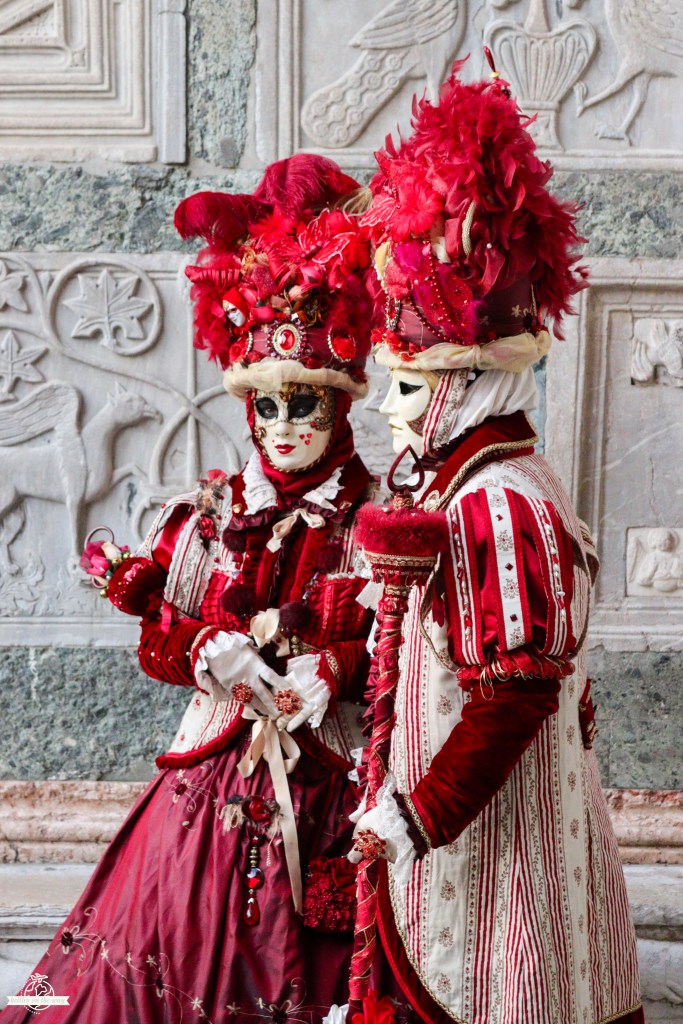
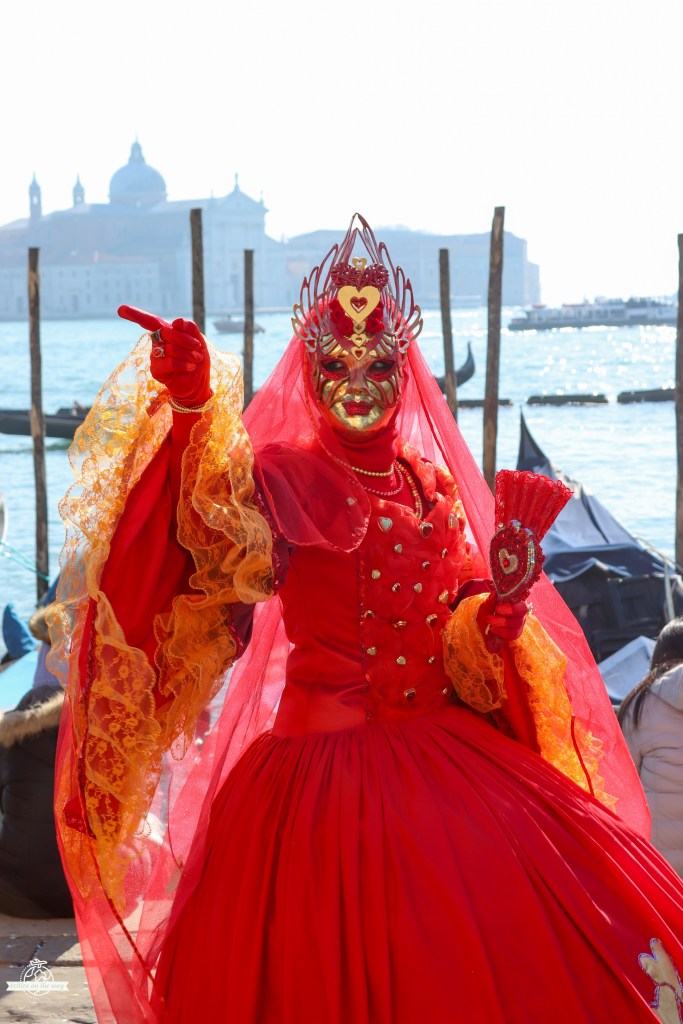
💡Tip: Curious to see how traditional Venetian masks are still made today? During carnival, free mask-making demonstrations are sometimes organised. Unfortunately, places are very limited and tend to fill up quickly. Another option is to join a paid workshop, where you can decorate your own mask by hand.
The golden age of the Venice Carnival came in the 18th century. This was when it gained international fame, prestige and widespread recognition. Unfortunately, it didn’t last long. In 1797, Venice fell first under Napoleon’s rule and later under Austrian control. Fearing uprisings among the conquered population, the authorities put an end to the carnival tradition — for nearly 200 years!
The Venice Carnival Today
The modern Venice Carnival dates back to 1979. And although you might think that such a long break would make it difficult to revive the tradition, today’s editions of the carnival are still incredibly popular. The numbers speak for themselves — over the course of just a couple of weeks, the Venetian masquerade can attract up to a million visitors in total!

Parades, street performances, balls, theatre shows and spectacular displays — there’s really no chance of getting bored. On top of that, every year the carnival follows a different theme. In recent editions, these have included The Amazing Journey of Marco Polo, created to honour one of Venice’s most famous figures on the 700th anniversary of his death, or celebrations marking the 300th birthday of another legendary Venetian — Giacomo Casanova.
In 2026, La Serenissima will pay tribute to the Olympic spirit, drawing inspiration from centuries past, when carnival provided the perfect stage for competitions, acrobatic performances and tests of teamwork and skill. The official theme of the 2026 carnival will be the origins of the Olympic Games: “Olympus – Alle origini del gioco.”
The Most Important Carnival Events
- The most beautiful carnival mask contest – Held in St Mark’s Square, this is probably the most unusual fashion show you’ll ever see. Elaborate costumes and masks compete for the title of the most beautiful carnival creation.
- Carnival Costume Parade in St Mark’s Square – The best opportunity to admire the incredible variety and beauty of carnival costumes — all gathered in one place!
- Volo dell’angelo (Flight of the angel) – One of the highlights of the official carnival opening. During this spectacular event, the winner of the previous year’s Maria contest descends on a cable from the bell tower of St Mark’s Basilica towards the Doge’s Palace.
- Volo dell’aquila (flight of the eagle) – While the Flight of the Angel is deeply rooted in tradition, the Flight of the Eagle is its more modern counterpart. To mark the grand finale of the carnival, a masked… celebrity glides down from the bell tower towards the crowd gathered in St Mark’s Square.
- Festa delle Marie – A parade of twelve “Marias”, selected each year from young women living in the Venice metropolitan area. Interestingly, the event refers to a legend from 973, when twelve Venetian women were kidnapped by Dalmatian pirates. Thankfully, they were rescued and returned safely to La Serenissima.


Beyond the official events organised by the city, visitors can also take part in private celebrations, such as exclusive masked balls. These are a true journey back in time, as many of them require a specific dress code — usually historical costumes or elegant outfits paired with a mask. The events take place in private palaces that are normally closed to the public.
Unfortunately, this is not entertainment for every budget. Tickets for a ball with dinner included usually start at around €400, and that’s before factoring in the cost of a costume. Still, while Venetian masquerade balls are far from cheap, they are undoubtedly a once-in-a-lifetime experience!
💡 Tip: The Venice Carnival is also famous for its traditional sweets: fritole and galani 🤤 Fritole are fluffy Venetian doughnuts made from yeast dough with raisins, while galani are thin, crispy strips of fried pastry.
When Is the Best Time to Visit the Venice Carnival?
The dates of the Venice Carnival change every year. It always ends on the last Tuesday before Lent — known in Italy as Martedì Grasso (Shrove Tuesday) — and begins roughly two weeks earlier. As you might expect, the biggest celebrations take place during the final days of the carnival.
In 2026, the Venice Carnival runs from 31 January to 17 February. Weekends are naturally the busiest, but they’re also when most of the major events and attractions take place.
💡 Tip: The Venice Carnival is packed with things to see and do. For us, the greatest joy was photographing people in their stunning costumes. You’ll come across them almost everywhere, especially around St Mark’s Square. You can take photos without worrying that they’ll ask for tips. Just remember to respect their work — and if they stop and pose especially for you, a simple “grazie” goes a long way. 🙂


Venice Carnival 2026
The Venice Carnival 2026 will take place under the theme “Olympus – Alle origini del gioco”, which translates as “Olympus – At the Origins of the Game”. The theme refers both to the Olympic spirit and to Venice’s past, when carnival had, for centuries, served as a stage for spectacular shows, tests of skill, acrobatic performances and various competitions, attracting crowds of locals and visitors alike.
The choice of an Olympic theme is no coincidence and directly relates to the Milan–Cortina 2026 Winter Olympic Games.
The official opening of the Venice Carnival will take place on Saturday, 31 January 2026, in St Mark’s Square. The first day of celebrations will focus on ideas of community, competition and the celebration of human creativity — values that have inspired both the Olympic Games and Venetian traditions since ancient times.
Traditionally, the first carnival weekend is dedicated to water. Its highlight will be the Corteo Acqueo — a water procession of traditional boats — taking place on Sunday, 1 February at around 11 a.m., along the Grand Canal. The boats will depart from Punta della Dogana and make their way towards the Rialto Bridge.
As every year, carnival events will not be limited to Venice alone. Open-air performances forming part of the Venice Carnival Street Show will also take place in Mestre and on the other islands of the lagoon. The wider region will also host numerous parades featuring allegorical floats.
Among the key events of the 2026 carnival are the Arsenale Water Show — a magical spectacle telling the myth of humanity’s original “game”, a struggle with beauty, dreams and limitations — as well as the Carnival Official Dinner Show. These elegant masked dinner balls will be held at Ca’ Vendramin Calergi, with ticket prices starting at around €700–800 per person.
The full day-by-day programme of the upcoming carnival can be found here.
Masks and Costumes
For most people, the Venice Carnival immediately brings to mind masked figures dressed in stunning costumes — and with good reason. Masks and costumes are an inseparable part of the celebrations. Elegant masked balls are organised every year, but you don’t need to attend one to dress up. In fact, a ticket to such a ball can sometimes cost more than an entire trip to Venice!


Carnival is for everyone — even four-legged friends can take part 🐶
🧐 Did you know? A traditional greeting during the Venice Carnival was “Buongiorno signora maschera!” — “Good morning, Madam Mask!” — as costumes effectively concealed the true identity of their wearers.
People from all over the world, not just native Venetians, enter the official Most Beautiful Mask Contest held in St Mark’s Square. Participation is free — all you need to do is fill in an online form, as long as you have a truly special costume and want to give it a try. Of course, you can also buy a mask from one of the many stalls and join the masquerade on the spot! If you’re looking for an authentic, handmade Venetian mask, you’ll find them in well-known workshops such as Ca’ Macana, La Bauta or Ca’ del Sol.

📸The Venice Carnival is a dream come true for photography lovers. Most masked participants are happy to pose for photos — and what could be better than combining beautiful costumes with iconic Venetian scenery? 😍
The Most Popular Venetian Masks
Do you know the most popular types of Venetian masks? While many carnival masks are truly one of a kind, you’ll definitely come across some real gems. It’s also worth looking out for the most traditional designs.
One of them is the Baùta. It was one of the most popular carnival costumes, especially in the 17th and 18th centuries. Its defining features include a white, angular mask known as the larva, a black tricorn (three-cornered) hat, and a black cloak. Interestingly, the Baùta can be worn by both men and women. What’s more, thanks to its shape, it allows the wearer to eat and drink without removing the mask — which made it a very practical choice.


The Medico della Peste, or plague doctor, is definitely our favourite and probably the most recognisable of all. It’s easy to spot thanks to its long, narrow “beak” and large, round eye openings. As the name suggests, this costume was not originally created for carnival. It was an authentic medical outfit used across Europe as early as the Middle Ages and later refined in the 17th century by the French physician Charles de Lorme, who gave it the appearance we recognise today.
The costume was designed to protect doctors caring for patients during plague outbreaks. The distinctive beak of the mask featured small openings on the sides for breathing and was filled with aromatic herbs, believed to protect the wearer from contaminated air.
Where to Stay During the Venice Carnival?
In our opinion, if you’re planning to spend more than just one day in Venice — and we truly think it’s worth it — it’s best to stay as close to the historic centre as possible. This way, you can enjoy an early-morning or late-evening stroll, when day-trippers have already left, and experience a little of the city’s magic, which unfortunately tends to fade once the crowds arrive.
Of course, during peak season and carnival time, finding accommodation at a reasonable price becomes more difficult the closer your travel dates get. If staying in Venice itself isn’t a priority, consider looking for cheaper accommodation in Mestre. From there, you can reach Venice by train in just 11 minutes (from Venezia Mestre to Venezia S. Lucia). A one-way ticket costs €1.50.
From our own experience, we can highly recommend the well-located Bianca Cappello House in central Venice.
During carnival, however, the only option that fit our budget was Hotel Airone, located right on the Grand Canal.
If you’re planning a carnival trip to the city on water, it’s best to book well in advance. Hotels offering the best value for money — as well as the most budget-friendly options — tend to sell out first.


Where to Eat Cheaply in Venice?
Venice is certainly not a cheap city, but it is possible to find a few budget-friendly food options. Here are some places we’ve personally tried:
- Dal Moro’s – offers fresh takeaway pasta. The cheapest options start at around €7.
- Pasta & Pasta – similar to Dal Moro’s, with fresh pasta and a choice of sauces. Prices are comparable and also start at around €6,50.
- Crazy Pizza – a good spot for a quick bite. You can get a mini calzone for around €4, as well as pizza by the slice or whole pizzas starting from €5.
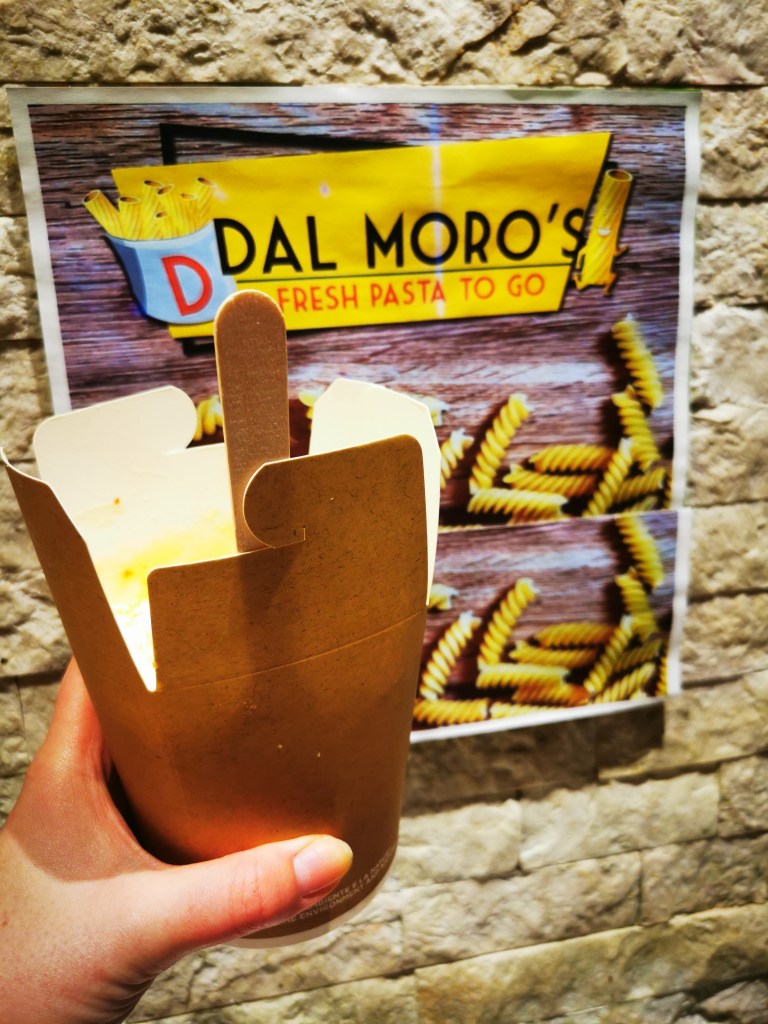

📢 Important: When buying takeaway food in Venice, remember not to sit on bridges, along canals or on steps. Eating outside designated areas can result in a fine of up to €200.
What to Know Before Visiting the Venice Carnival?
Venice — and Italy in general — is often associated with warm weather. Don’t let that stereotype fool you! Winter in Venice can be surprisingly unpleasant. Most streets are permanently shaded, and the high humidity caused by the surrounding canals makes the cold feel even more intense. Be sure to pack something warm, especially for the evenings.
Before your trip, check the weather forecast and, if rain is expected, bring a raincoat (an umbrella may not be very practical in dense crowds).
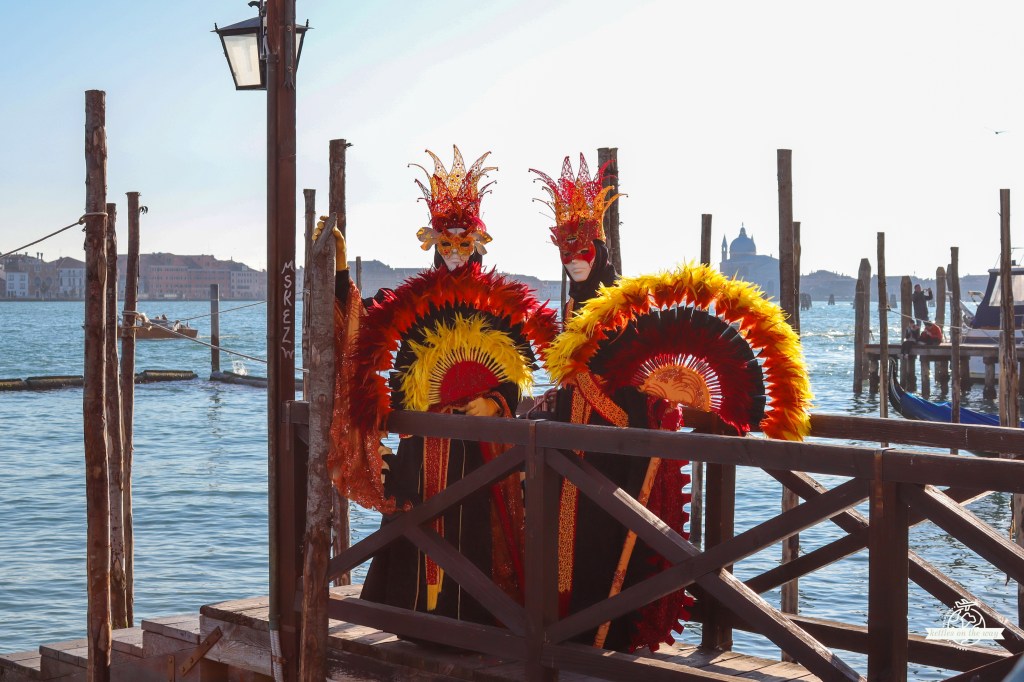
It’s also worth checking tide forecasts. St Mark’s Square, where many of the main carnival events take place, is one of the lowest points in Venice and can flood when the tide exceeds 82 cm. You can check tide predictions here.
So what should you do if you experience acqua alta — high water levels? The best solution is to wear tall waterproof boots or simply wait it out. The city also does its part, installing temporary walkways for pedestrians when needed.
💡 Tip: Speaking of acqua alta, take a break from carnival celebrations and visit the famous bookshop of the same name. It’s far from an ordinary bookstore — you’ll find, among other things, a real gondola full of books, as well as the Instagram-famous stack of books.
Carnival crowds unfortunately also attract pickpockets, so make sure to stay extra alert.
And while we’re on the subject of crowds — the sheer number of visitors during carnival makes getting around much more difficult. Narrow streets become packed, and distances between nearby points can take much longer to cover than usual. Keep this in mind and arm yourself with plenty of patience.
Comfortable shoes are essential. Apart from the vaporetto, there’s no public transport in Venice, so be prepared for a lot of walking.
More practical information for your visit to the City of the Doges can be found in our guide Venice: Everything You Should Know Before Your Trip.
Is the Venice Carnival Worth It?
Finally, there’s one more important thing to mention. We personally fell in love with the Venice Carnival and weren’t put off by the crowds (although our patience was tested at times!). That said, if someone really struggles in busy, crowded places, especially at weekends, carnival might feel overwhelming. It’s also not the best time to explore Venice’s historic centre at a relaxed pace.
Of course, sightseeing isn’t impossible, but after five visits to Venice — during carnival, in summer, and off-season — we can confidently say that the difference in experiencing the city is huge. Maybe that’s why some people hate Venice, while others fall completely in love with it?
Prices during carnival rise significantly (and accommodation in Venice is never cheap), so planning your trip well in advance is key.
So, is it worth visiting Venice during carnival? As always, opinions will vary. In our view, it’s absolutely worth it — the event is truly beautiful, and many of the costumes are works of art in their own right. The key is to arrive prepared: expect crowds, higher prices and likely cold weather (the humidity can be brutal!), and focus instead on the festive atmosphere and sheer joy of the celebration.
Have you ever been to the Venice Carnival? Share your experiences with us in the comments 🤗
You might also like:
Leave a Reply to Carnaval de Veneza 2026: tudo o que precisas de saberCancel reply